The desire to explore and fully experience the world around us has always fascinated me — yet gravity often feels like a subtle limitation, anchoring our perspective to eye level. While travel offers incredible sights, it rarely provides the freedom to truly appreciate every angle of a landscape. That’s where my passion for aerial exploration through FPV (First-Person View) drones comes in. By flying a drone, I can break free from ground-level constraints and capture the world from dynamic, elevated viewpoints — experiencing travel from an entirely new dimension, beyond the boundaries of gravity.
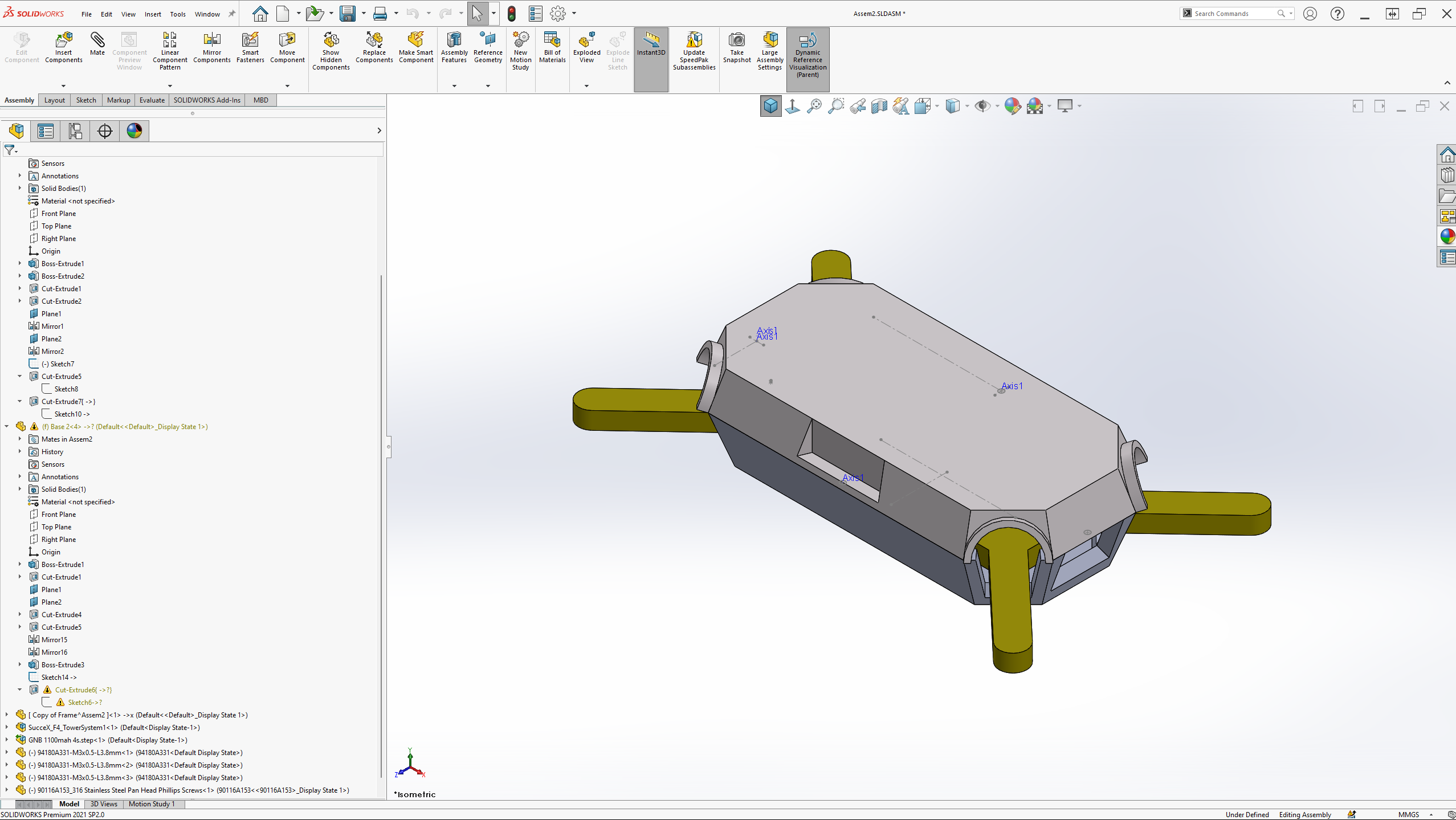
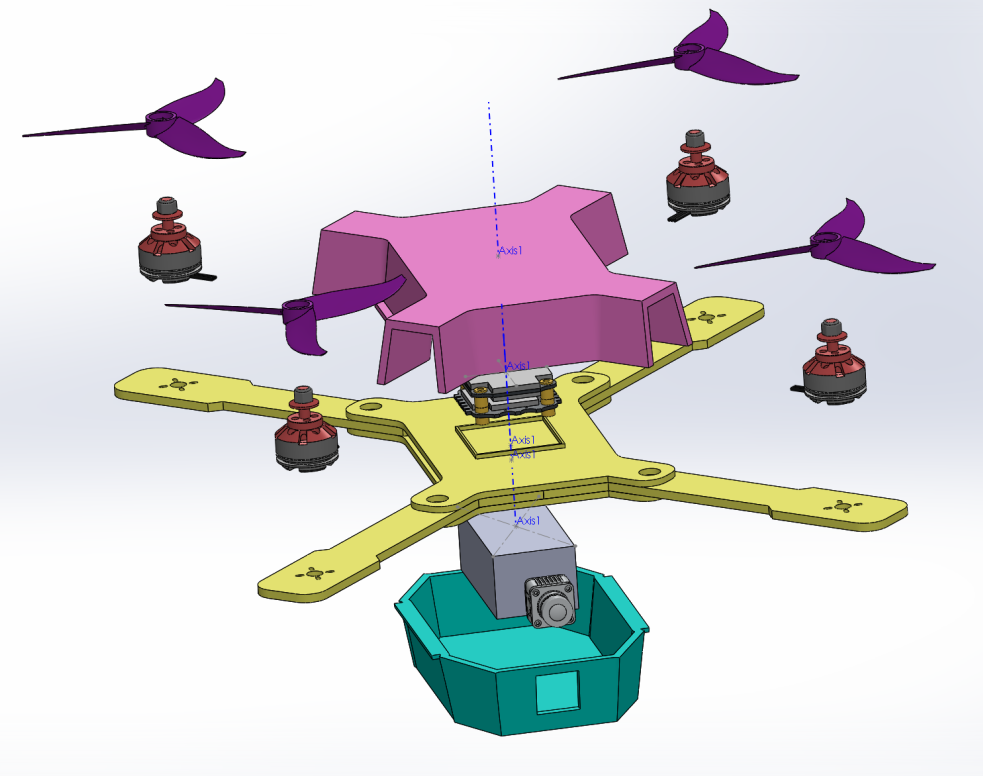
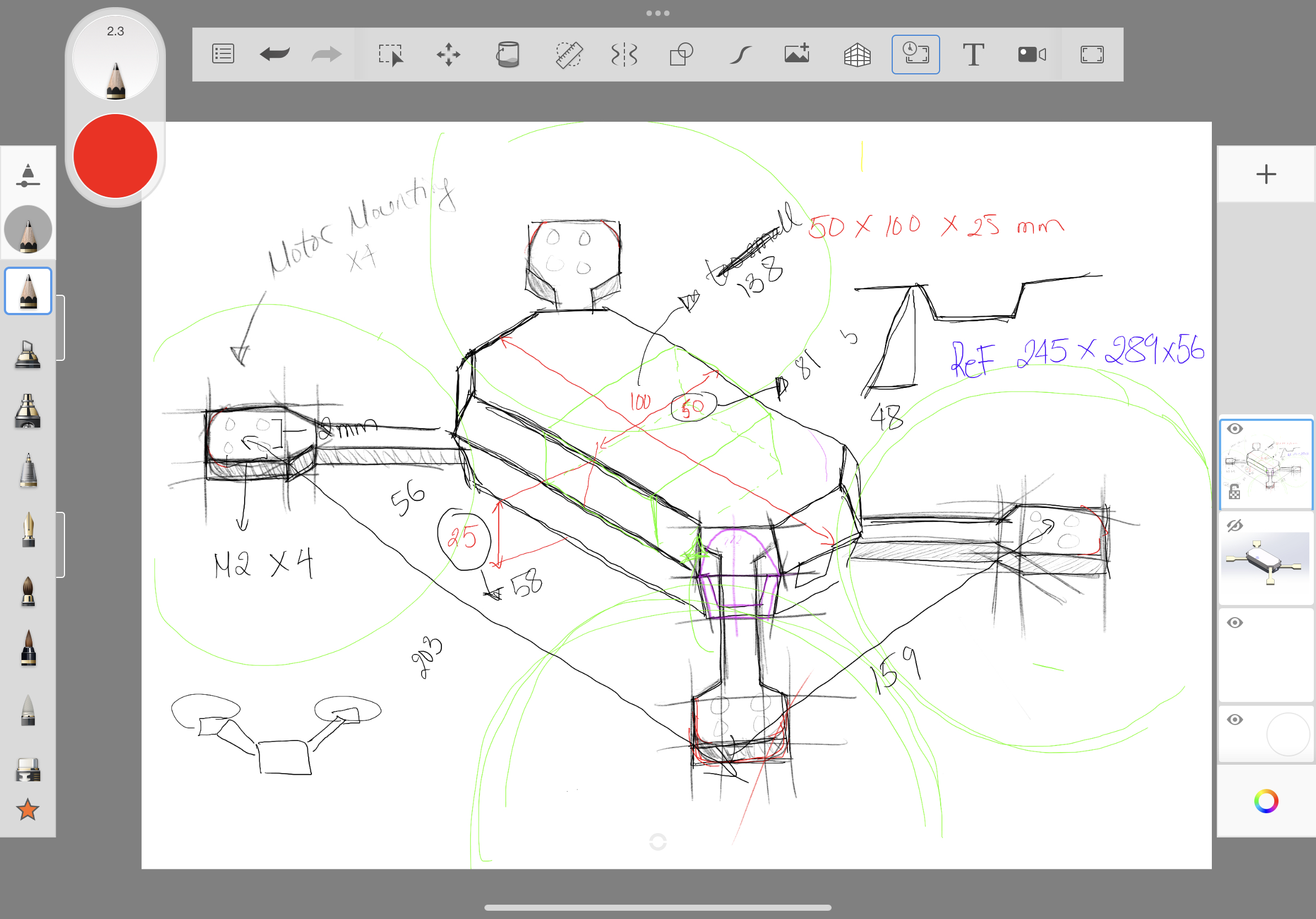
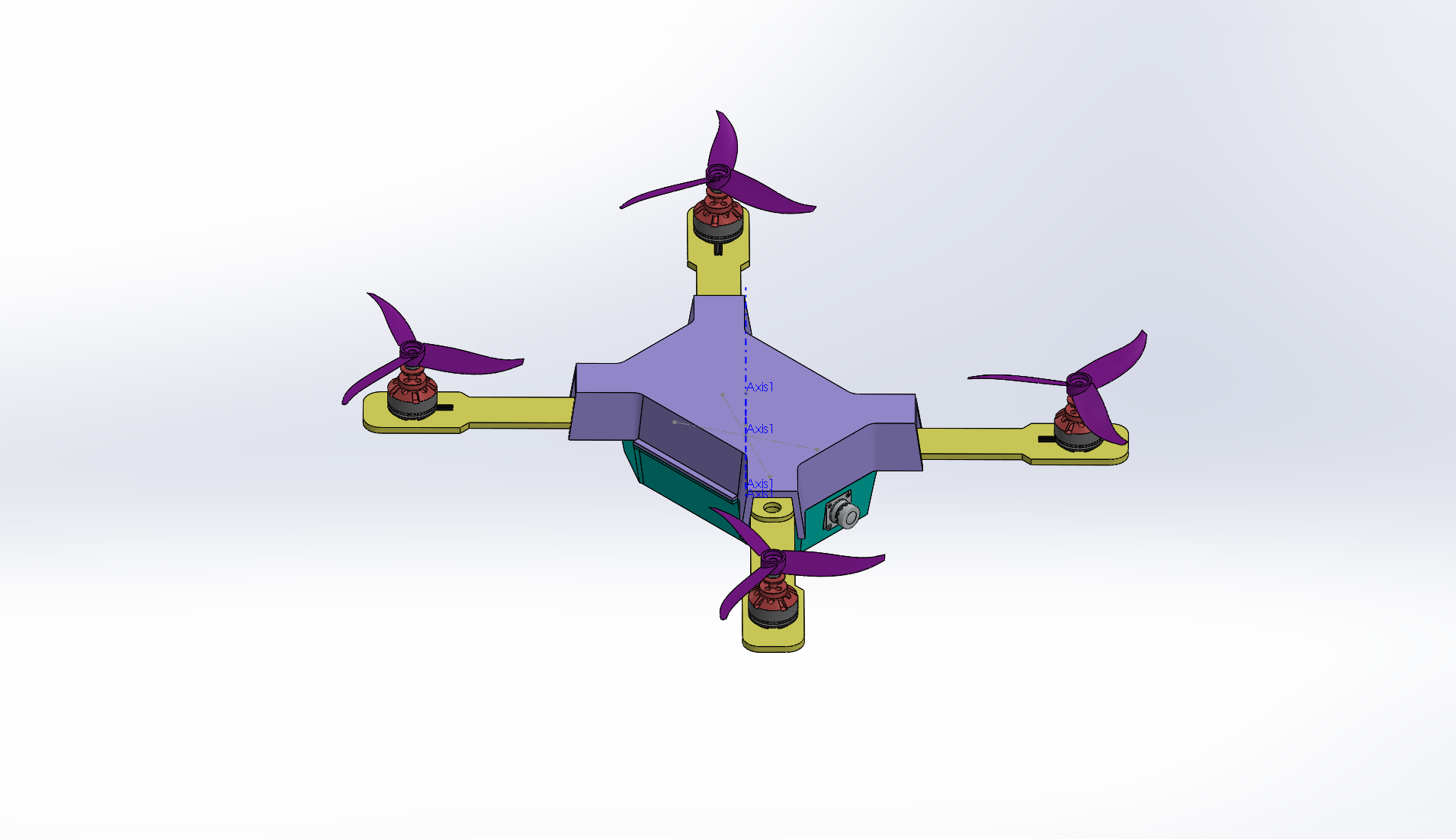
The goal of this project is to design and build a lightweight, fully functional FPV (First-Person View) drone capable of capturing aerial footage while remaining under the 250-gram regulatory limit for recreational drones in Canada. I began the process with hand-drawn sketches to visualize the frame, estimate dimensions, and plan out component groupings for effective 3D modeling. Alongside flight performance, weight and energy efficiency are key considerations — balancing battery capacity and total mass is essential for maximizing flight time.
This project also aims to expand my perspective — both literally and figuratively — by allowing me to explore and document the world from unique, elevated angles that go far beyond what we experience at ground level.
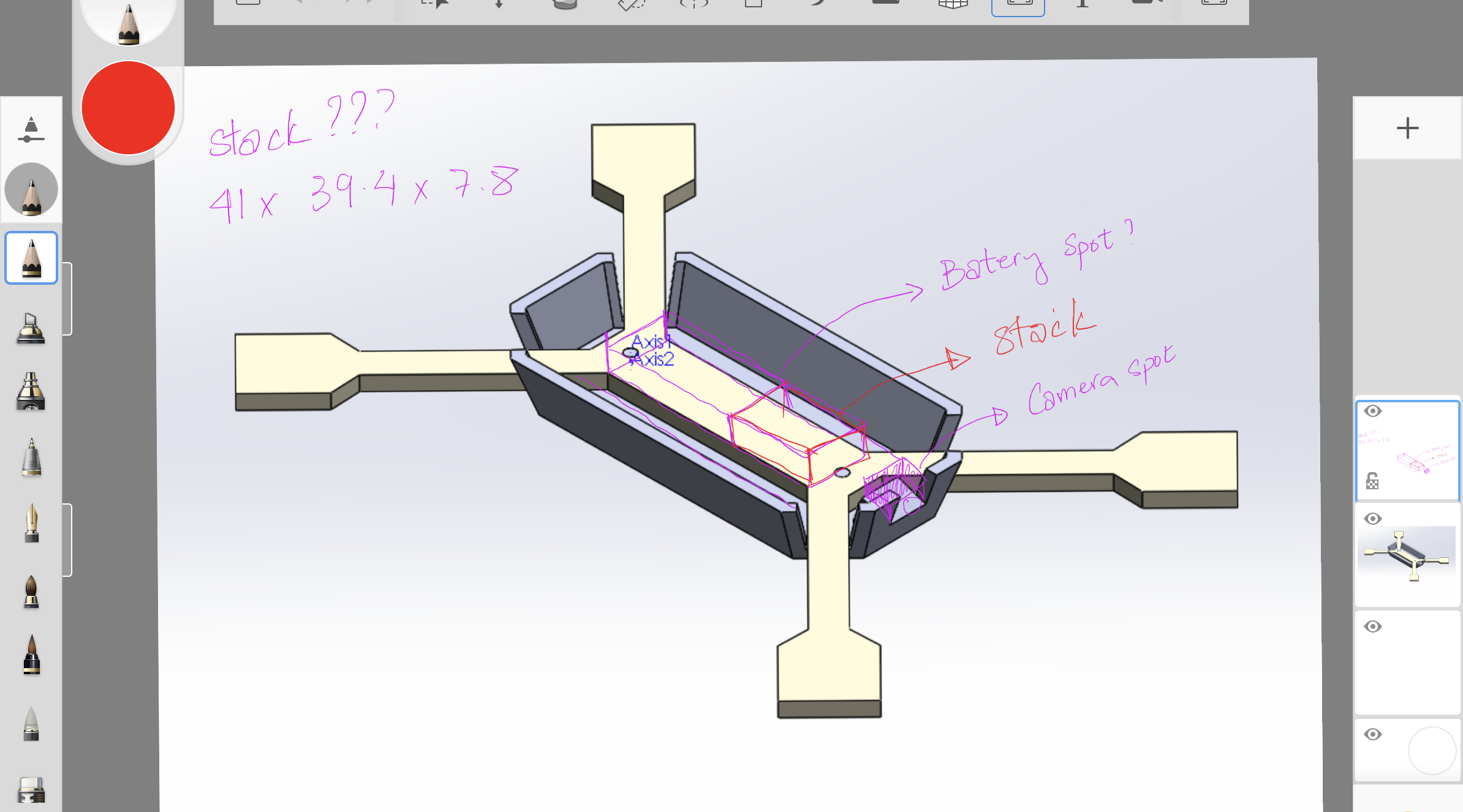
My approach to designing the drone combines structured engineering workflows with creative problem-solving

The project is currently in the final stages of the design phase. All primary components have been modeled, and preparations for wiring and programming are underway. Parts are expected to arrive within the next month, marking the transition from digital design to physical assembly and flight testing. This journey has already taught me a great deal about engineering trade-offs, optimization, and design-for-manufacture principles — and it’s only just taking off. Stay tuned for the next phase of development!